CABLES FOR BESS
CABLES FOR COMMUNICATIONS
CABLES FOR DATA CENTRES
CABLES FOR E-MOBILITY
CABLES FOR GENERATORS & MOTOR PUMPS
CABLES FOR INDUSTRIAL PROCESS
CABLES FOR LIFE SCIENCE
CABLES FOR MARINE
CABLES FOR OEM
CABLES FOR PHARMA
CABLES FOR POWER TRANSMISSION
CABLES FOR PUBLIC PLACES
CABLES FOR RAILWAYS
CABLES FOR RESIDENTIAL
CABLES FOR SOLAR
CABLES FOR SWITCHBOARDS
CABLES FOR TUNNELS
CABLES FOR UTILITIES
CABLES FOR WATER TREATMENT
CABLES FOR WIND FARMS
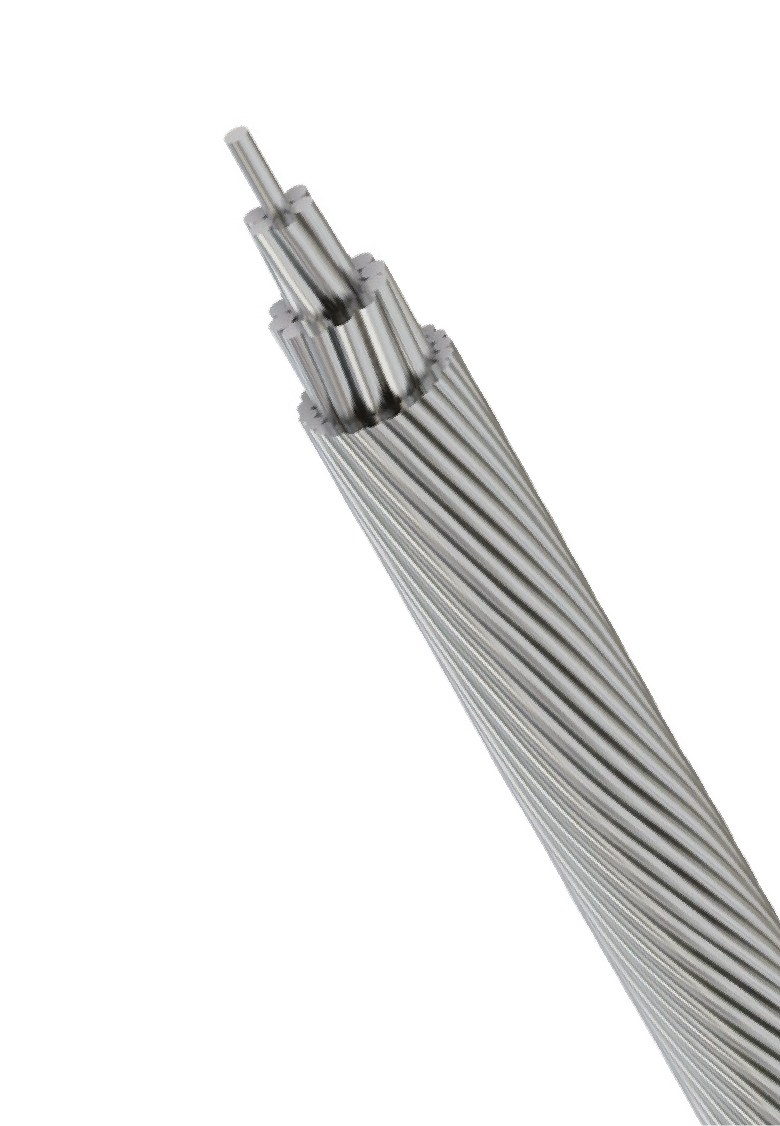
STANDARD: ASTM B-233 & B-609,ASTM B-531 & B-396
Tie wire is used to secure and support conductors, cables, and other components on poles or structures, ensuring mechanical stability and proper installation.
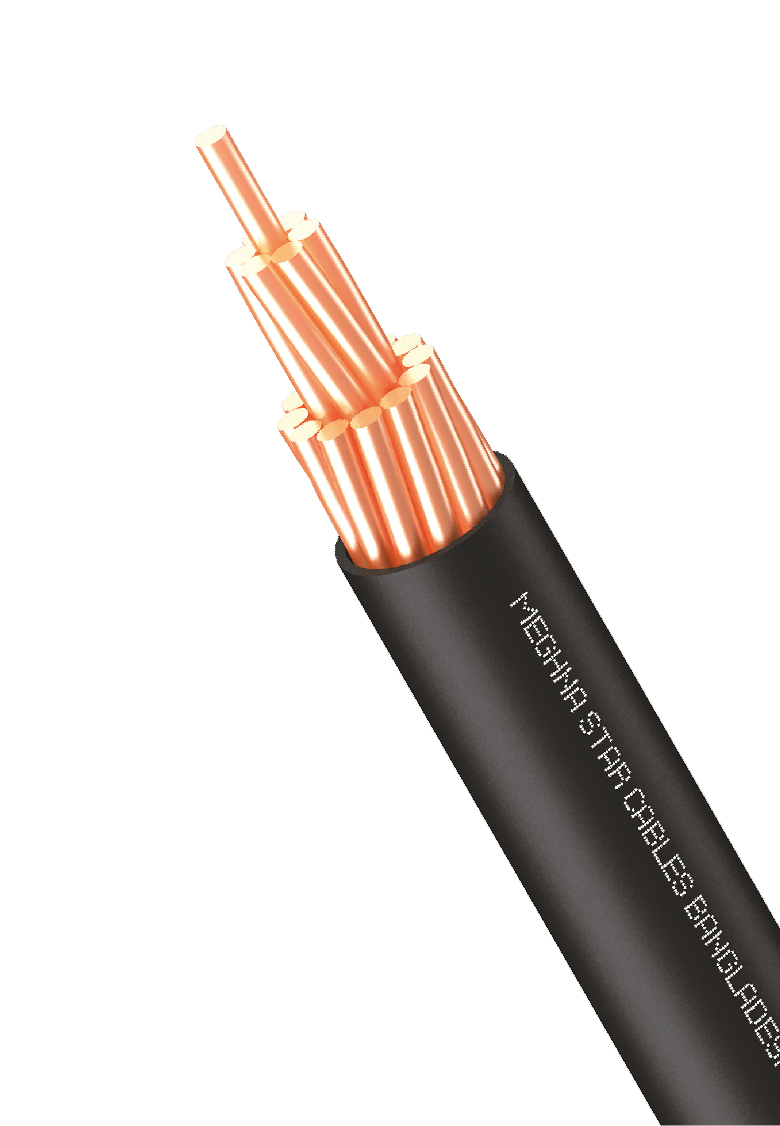
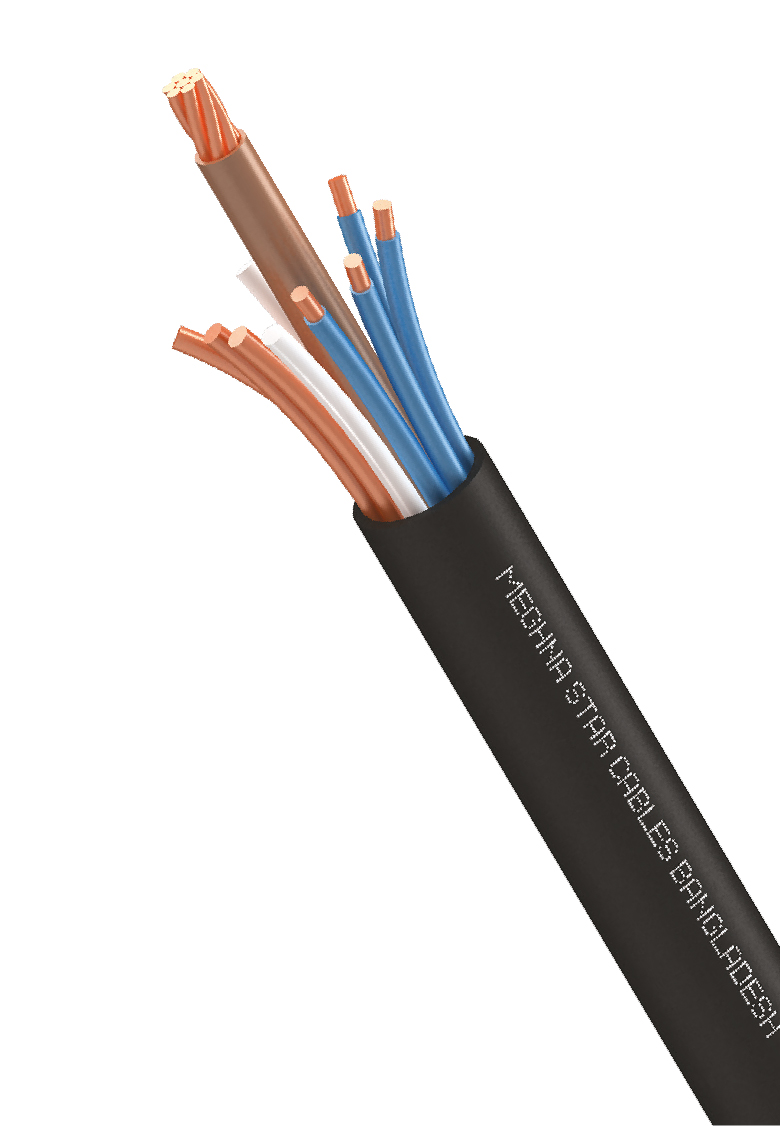
Copper cable
Enhanced Fire Safety LSZH / CPR
Lighter Weight and Potentially Lower Cost (compared to Copper)
Ground wire/Jumper wire is used to provide a safe path for fault currents to flow to earth, protecting people and electrical equipment from electric shock and damage. Tie wire is used to secure and support conductors, cables, and other components on poles or structures, ensuring mechanical stability and proper installation.
Hard Drawn Bare Aluminium wire, H14 to ASTM B-233,Soft Drawn Bare Aluminium wire, 1350-0 to ASTM B-609
XLPE to IEC 60502-1
The information displayed on this website is provided for reference purposes only and is not legally binding. Specifications, values, and technical data may be subject to change without notice. To obtain verified and up-to-date technical data for a specific cable, please download Top Cable’s official Technical Specification in PDF format. The PDF document constitutes the sole authoritative source of product data.
Ground wire offers a low-resistance path for fault current to earth for protection, while tie wire is mainly mechanical and not designed to carry electrical current.
Ground wire can withstand short-duration high fault currents with controlled heating, while tie wire mainly resists environmental heat and maintains strength without deformation.
Ground wire can withstand high temperatures for short periods during fault conditions without losing its protective function, while tie wire is not current-carrying and may lose strength or deform under fire, depending on material type.
Ground wire has high strength to withstand fault and environmental loads, while tie wire provides flexible support for securing conductors and equipment.
Ground wire resists corrosion and weathering for long-term outdoor use, while tie wire withstands basic environmental exposure but may have lower durability.
Open Air.
Buried.
In conduit.
Meter by meter marking.
As cable manufacturers, we ensure cost-effective premium quality and lasting performance.
Our in-house labs guarantee rigorous cable quality, reliability, and standards compliance.
Global cable delivery solutions—expert logistics for seamless supply.
Full cable stock, ready for fast delivery- shortest lead times.
Largest European stockholding.
EPD-certified cables: Sustainable manufacturing for your Scope 3 success.
Expert, friendly and professional sales team offering a fast & efficient customer service. Global customers are welcome!