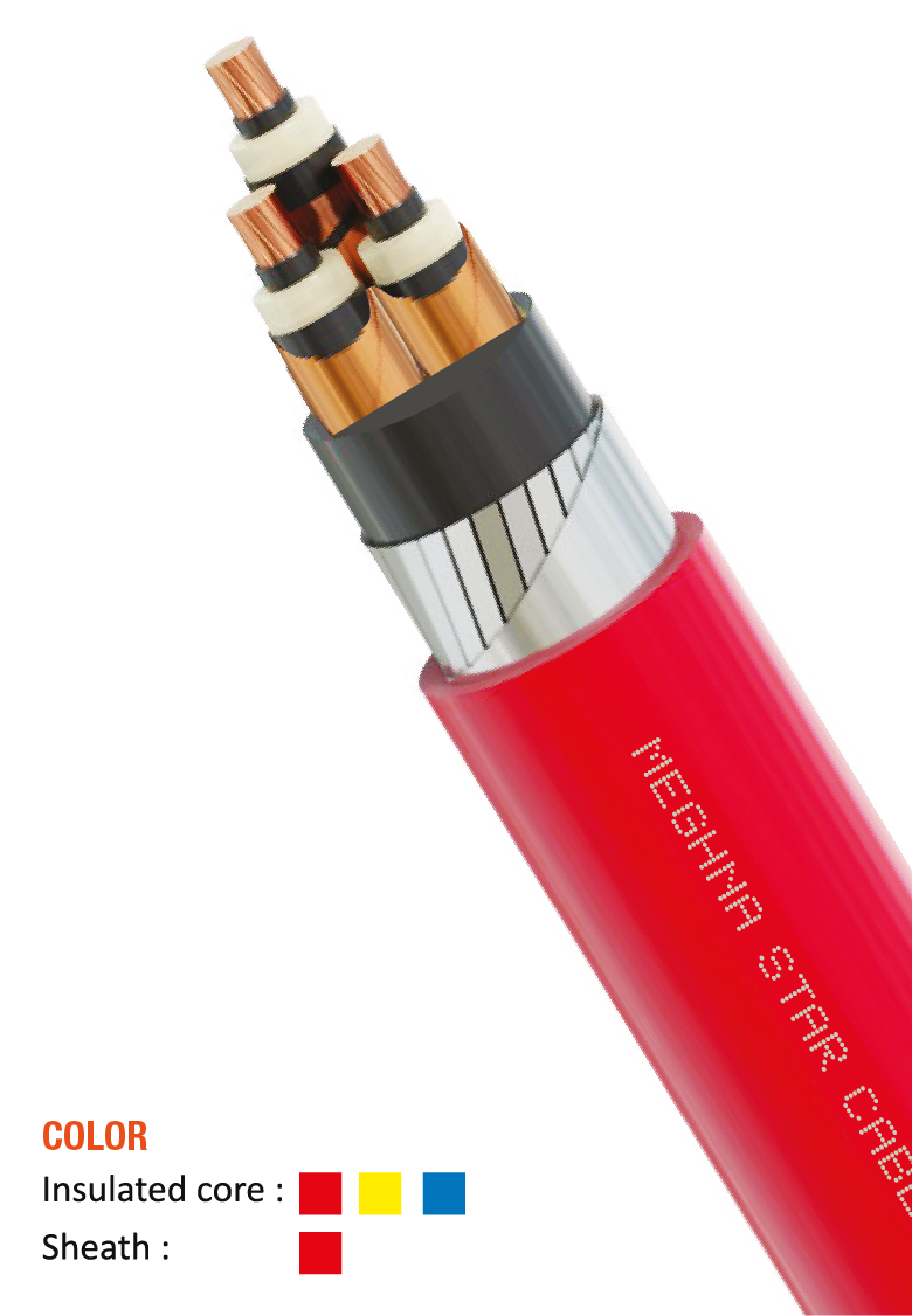
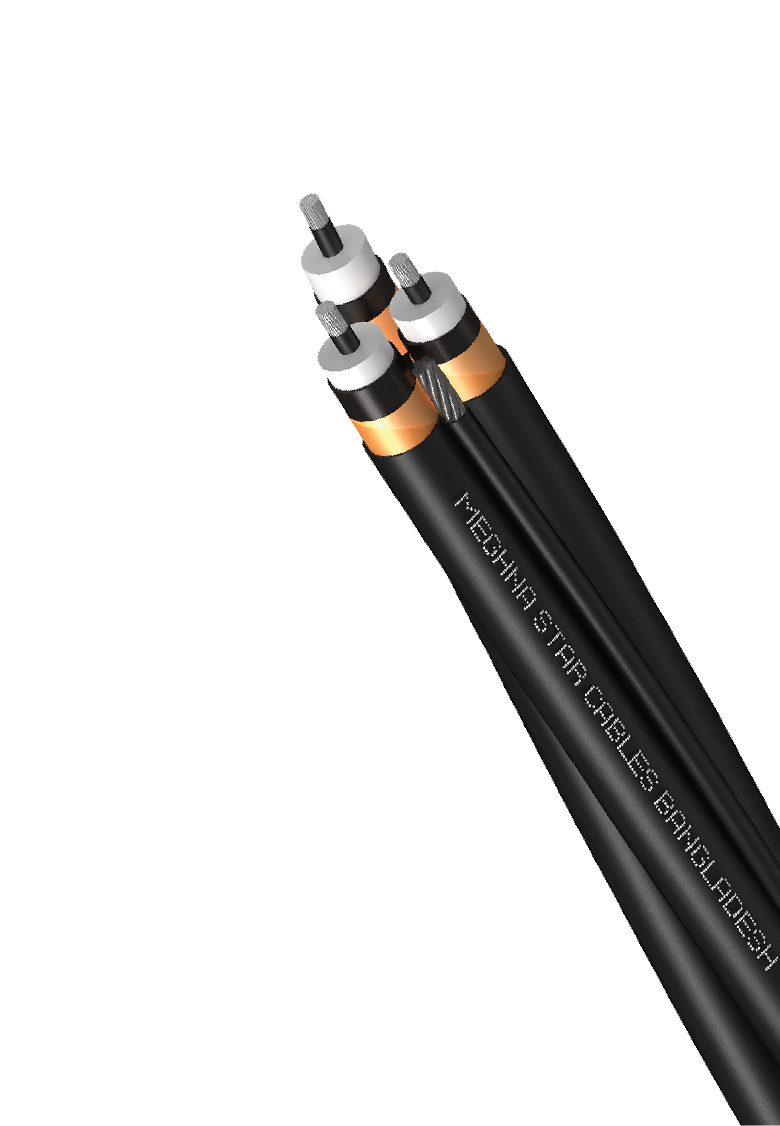
MEDIUM VOLTAGE CABLES

A trusted factory-direct supplier for all your MEDIUM VOLTAGE cable needs

Benefits of MEDIUM VOLTAGE CABLES

Medium Voltage (MV) cables are power cables designed to carry electricity at voltages typically between 1 kV and 35 kV. They are widely used in industrial plants, power distribution networks, and commercial systems to deliver efficient and reliable power over medium distances. These cables offer high safety, durability, and low power loss, making them ideal for both underground and overhead installations.


A complete solution from MEGHNA STAR CABLES

High quality Cable manufacturer

Cable manufacturer

Meghna Star Cable is a leading manufacturer in Bangladesh, known for high-quality products, reliable performance, and best-in-class service.

Large cable stock

Large cable stock

Our large cable stock is always ready to be shipped around the globe.

Quality and Certificates

Quality/Certificates

In our state-of-the-art laboratories we subject our cables to stringent product testing and quality controls.

Best-in-class-service

Best-in-class-service

A friendly and eficient sales team and our excellent logistics will satisfy your cable requirements.

Medium Voltage Cable FAQS (Frequent asked questions)

A medium voltage cable is a power cable designed to safely transmit electricity at voltages typically ranging from 1 kV to 35 kV. These cables are commonly used in power distribution networks, industrial facilities, commercial buildings, renewable energy projects, and utility substations.

Medium voltage cables are built with specialized insulation and shielding layers to ensure reliable performance, electrical safety, and long service life. They are available in various conductor materials, insulation types, and voltage ratings to meet different application requirements.

If you’re selecting a medium voltage cable, factors such as operating voltage, installation environment, current-carrying capacity, and applicable standards should be considered to ensure the best solution for your project.

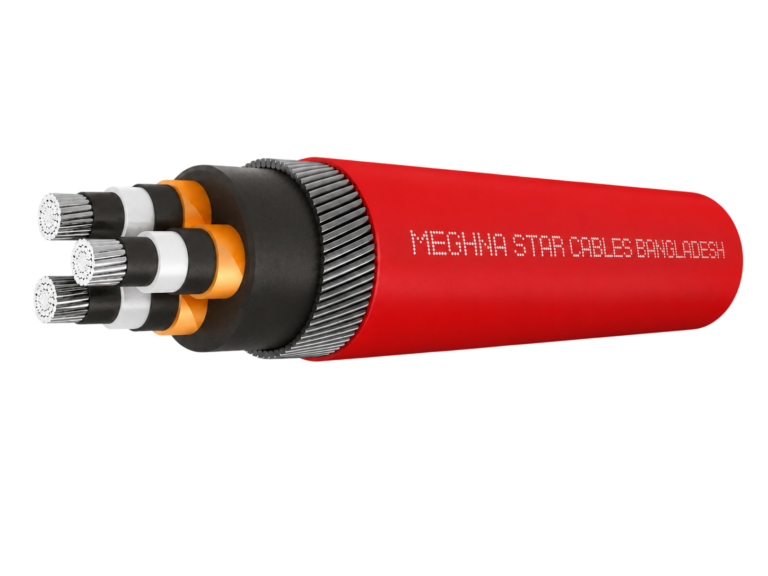
Where Are Medium Voltage Cables Used?

Medium voltage cables are used to distribute electrical power from substations to end users and equipment that require higher power levels. Common applications include:

  • Utility power distribution networks – Delivering electricity from substations to residential, commercial, and industrial areas.

  • Industrial facilities – Supplying power to large motors, machinery, and manufacturing plants.

  • Commercial buildings and campuses – Providing reliable power distribution for hospitals, airports, shopping centers, and office complexes.

  • Renewable energy projects – Connecting solar farms, wind farms, and energy storage systems to the electrical grid.

  • Mining and oil & gas operations – Powering heavy equipment and remote facilities.

  • Data centers and critical infrastructure – Ensuring dependable power supply for mission-critical operations.

  • Underground and overhead distribution systems – Used where power needs to be transmitted safely and efficiently over medium distances.

Medium voltage cables are essential wherever electrical power must be distributed at voltages higher than standard building wiring but lower than high-voltage transmission lines.

Most Commonly Used Medium Voltage Cables

The most widely used medium voltage cables are:

  1. XLPE-Insulated Medium Voltage Cables

    • The most popular choice worldwide.

    • Excellent electrical performance, thermal resistance, and long service life.

    • Commonly used in utility, industrial, commercial, and renewable energy applications.

  2. EPR-Insulated Medium Voltage Cables

    • Highly flexible and resistant to moisture.

    • Often used in industrial plants, mining operations, and demanding environments.

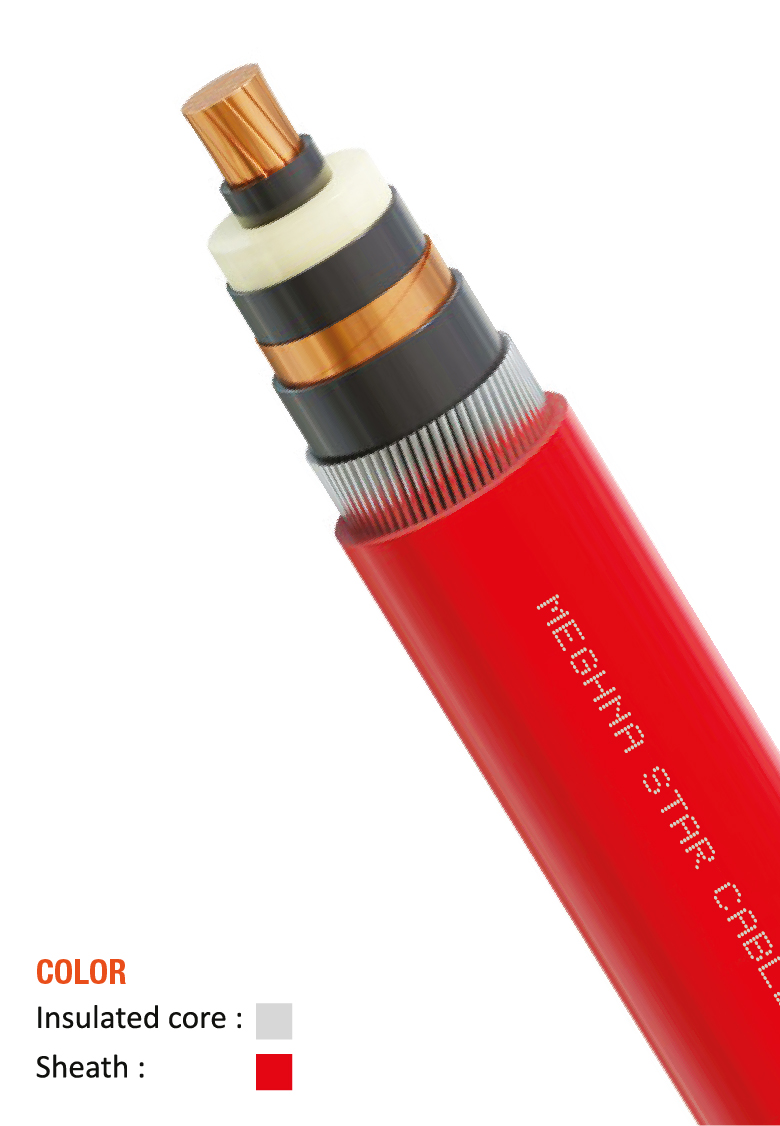
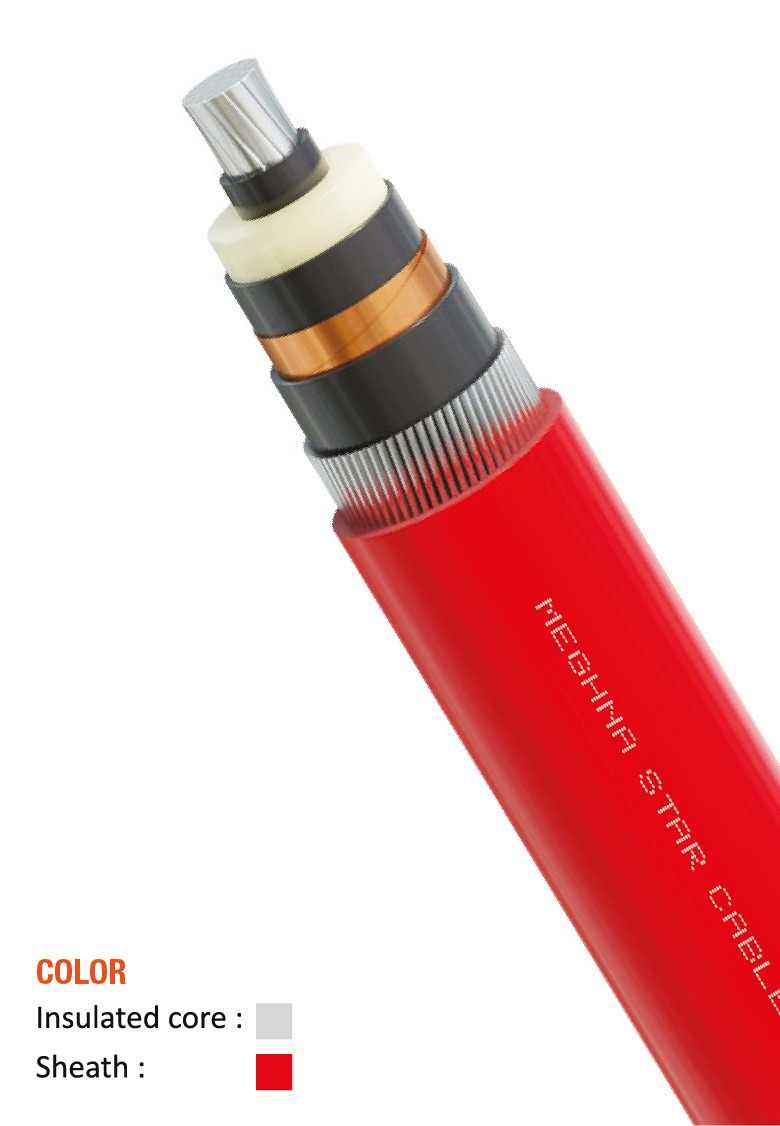
  3. Single-Core MV Cables

    • Typically used for higher current applications and utility distribution systems.

    • Available with copper or aluminum conductors.

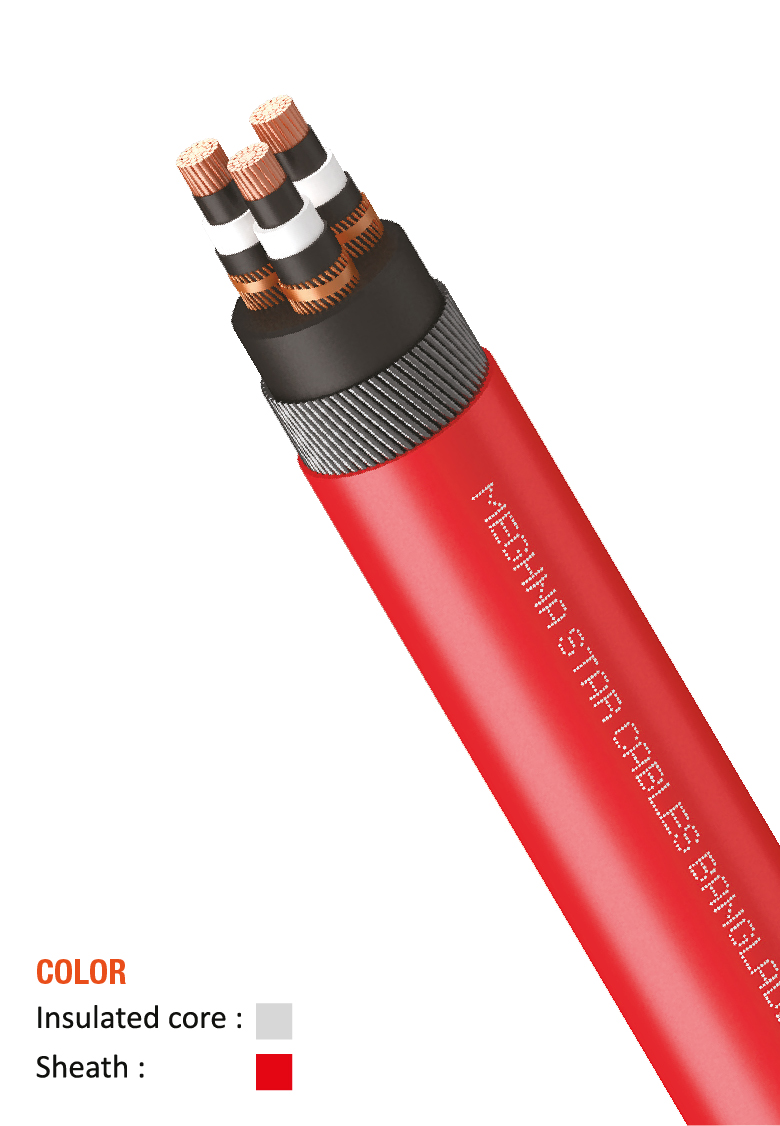
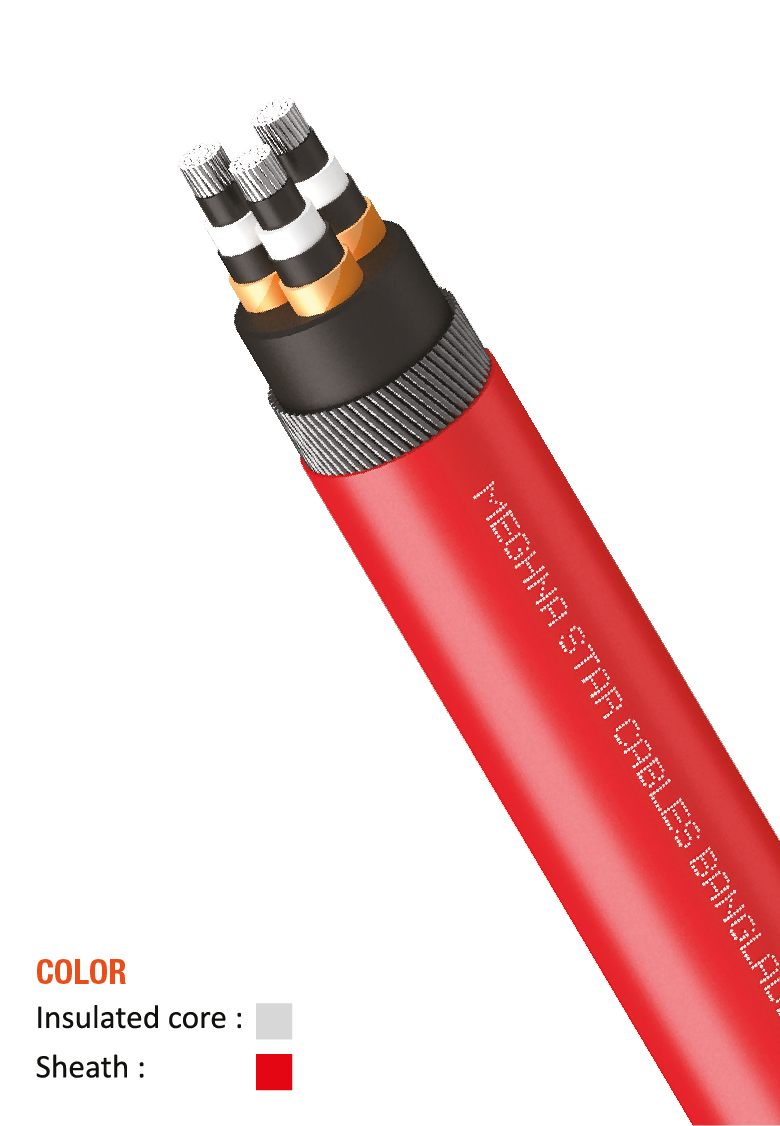
  4. Three-Core MV Cables

    • Commonly used in industrial facilities and commercial power distribution where three-phase power is required.

Most Common Voltage Ratings

The most frequently used medium voltage cable ratings are:

  • 11 kV – Widely used in local power distribution networks.

  • 15 kV – Common in North America and industrial applications.

  • 22 kV – Used in regional distribution systems.

  • 33 kV – Popular for larger distribution networks, substations, and renewable energy projects.

Industry Standard Choice

For most power distribution projects today, XLPE-insulated copper or aluminum conductor cables in 11 kV, 15 kV, 22 kV, or 33 kV ratings are the preferred and most commonly specified medium voltage cables due to their reliability, efficiency, and durability.

Medium Voltage (MV) cables are designed with specific electrical and mechanical properties to safely transmit power typically between 1 kV and 35 kV.

Key Characteristics:

  • High voltage rating
    Built to handle medium-range electrical voltages (1 kV–35 kV).
  • Strong insulation system
    Uses materials like XLPE (cross-linked polyethylene) or EPR to prevent electrical breakdown.
  • Multi-layer construction
    Includes conductor, insulation, metallic shielding, and outer protective sheath.
  • High current carrying capacity
    Designed to transmit large amounts of power efficiently.
  • Thermal resistance
    Can withstand high operating temperatures without performance loss.
  • Mechanical protection
    Often armored to resist physical damage, pressure, and environmental stress.
  • Low power loss
    Minimizes energy loss during transmission for better efficiency.
  • Durability & long service life
    Resistant to moisture, chemicals, UV exposure, and aging.
  • Flexible installation options
    Suitable for underground, indoor, and outdoor applications.

Medium Voltage (MV) cables are best suited for applications where electricity needs to be transmitted at higher power levels safely and efficiently over medium distances.

Key Applications:

  • Power distribution networks
    Used by utilities to carry electricity from substations to local transformers.
  • Industrial plants & factories
    Powers heavy machinery, motors, and production equipment.
  • Commercial buildings & complexes
    Supplies reliable electricity to malls, hospitals, airports, and office buildings.
  • Underground and urban electrical systems
    Installed underground in cities to save space and improve safety.
  • Renewable energy systems
    Used in solar farms and wind power plants to transfer generated electricity to the grid.
  • Infrastructure projects
    Applied in railways, metro systems, tunnels, and large construction sites.

Questions? We’ll help you find a solution.

CERTIFICATIONS

GET IN TOUCH AND LET US KNOW
The company has been incorporated under the companies Act 1994 on July 17, 2017 at Registrar of Joint Stock Companies and Firms in Bangladesh.