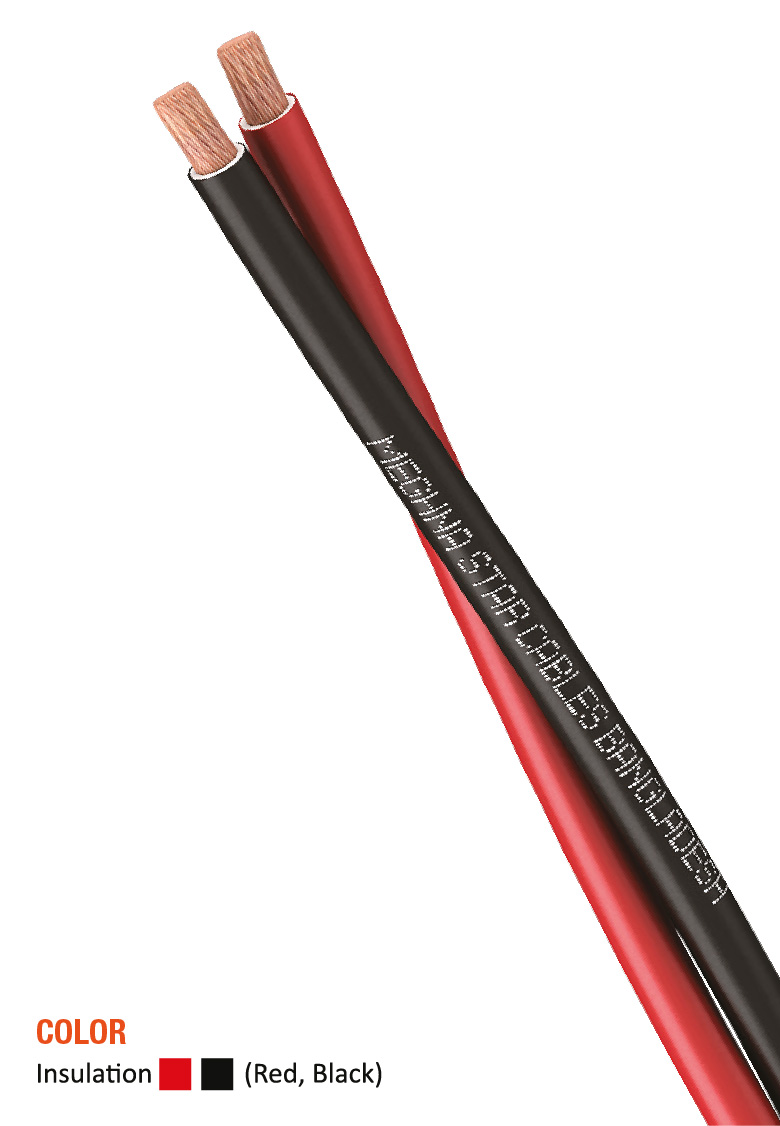
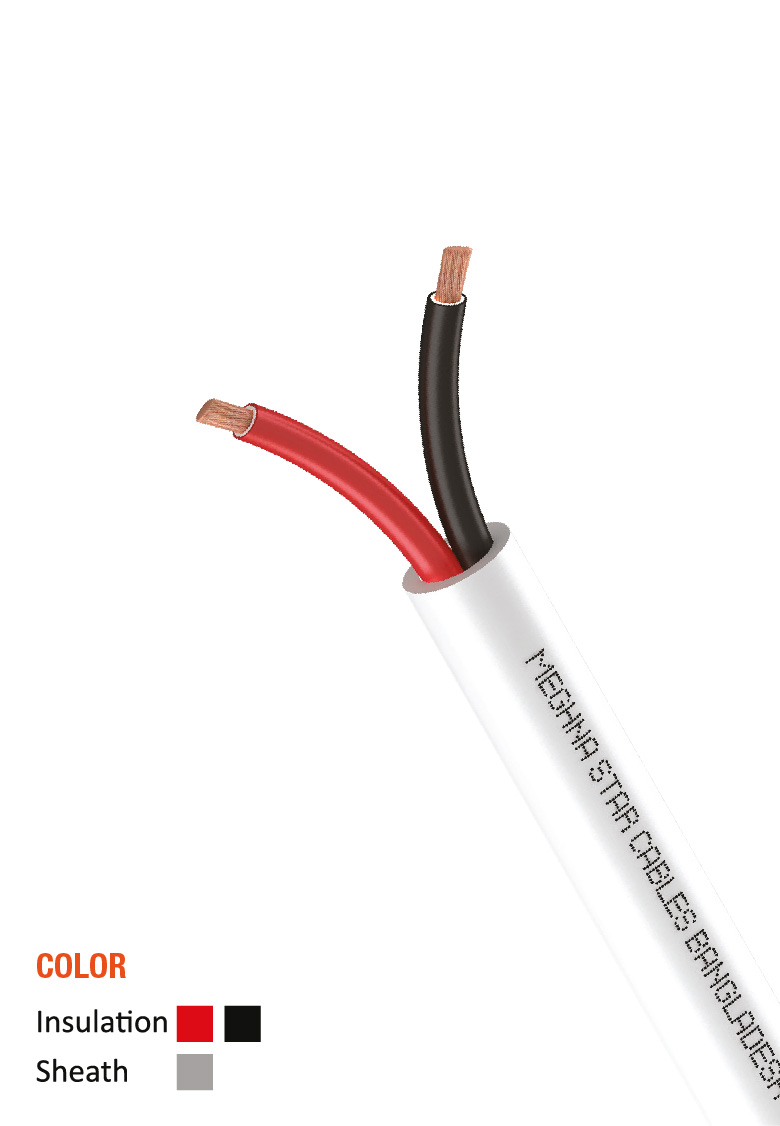
BUILDING WIRE

A trusted factory-direct supplier for all your BUILDING WIRE cable needs

Benefits of BUILDING WIRE cables

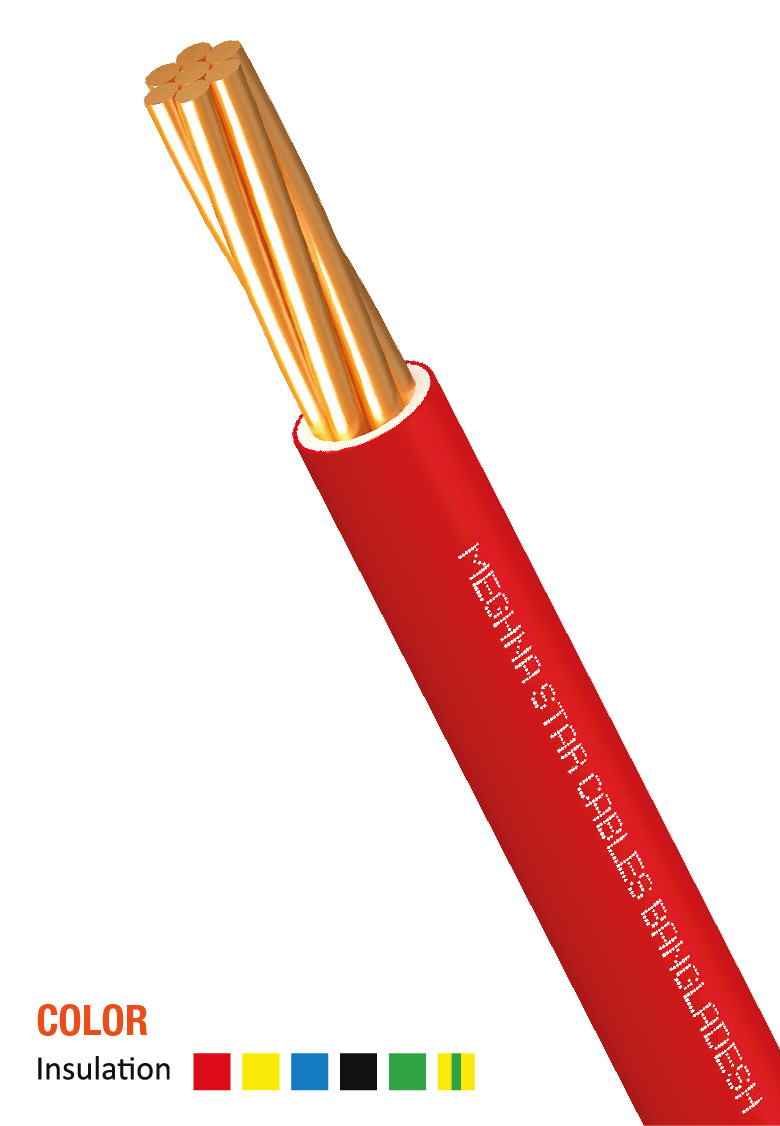
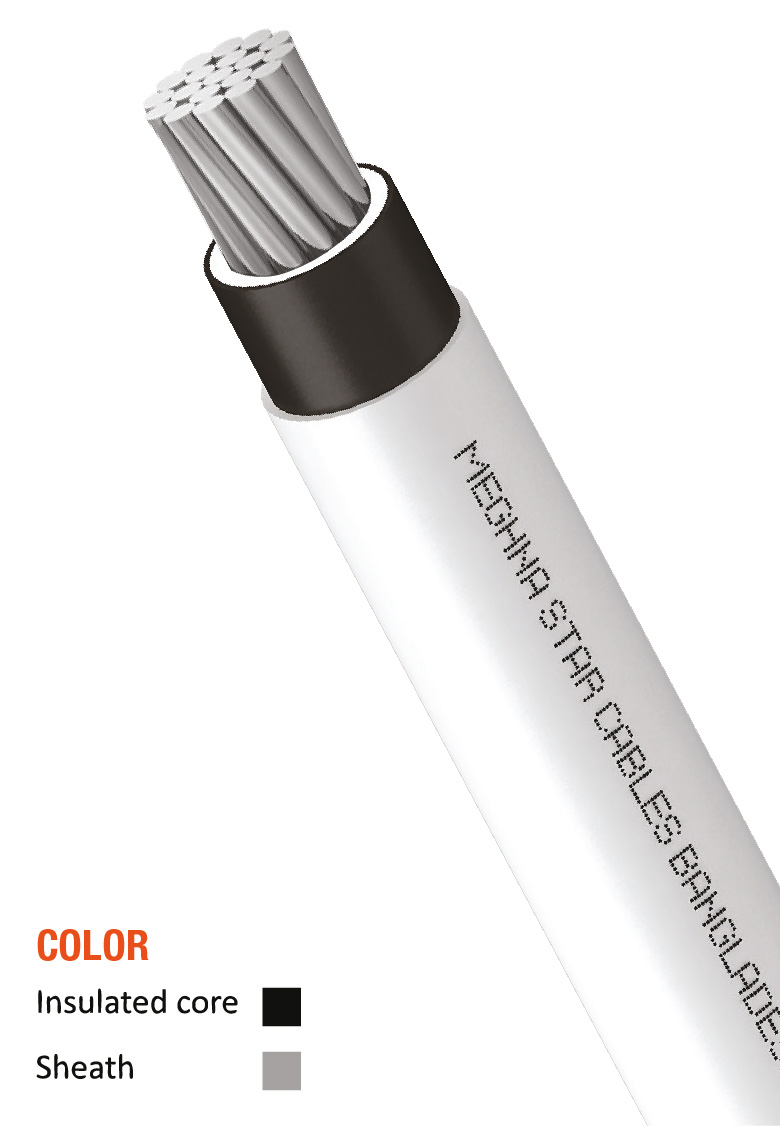
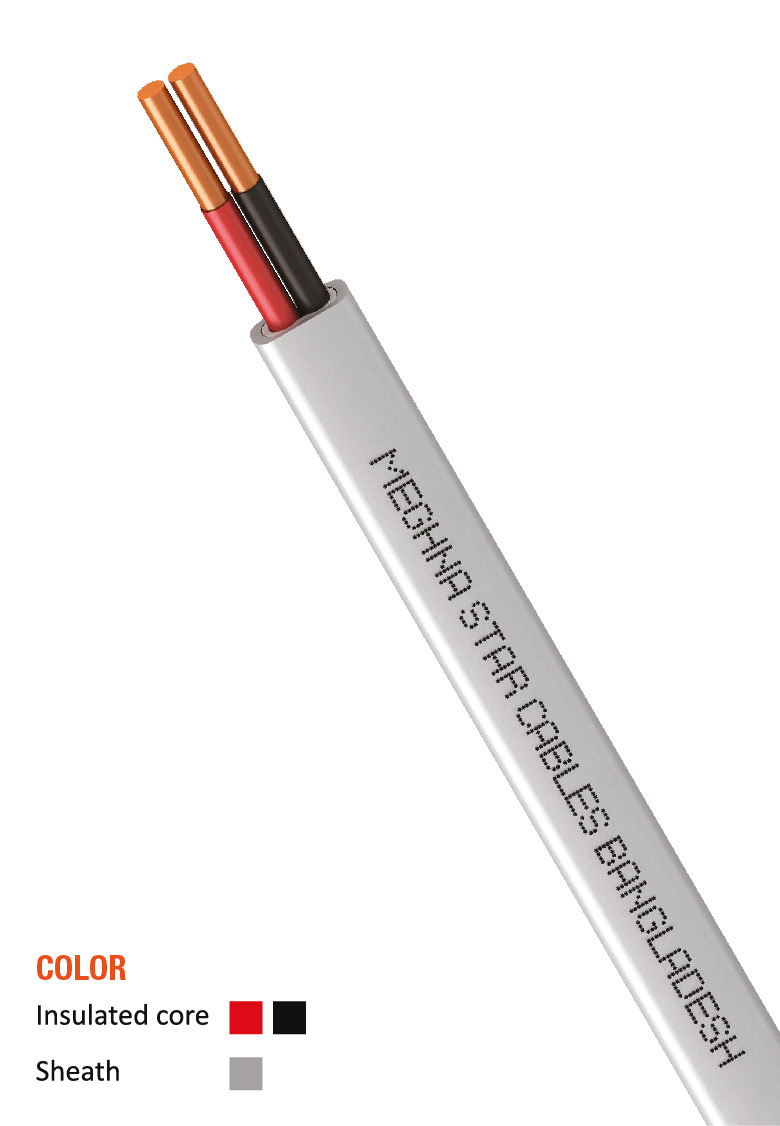
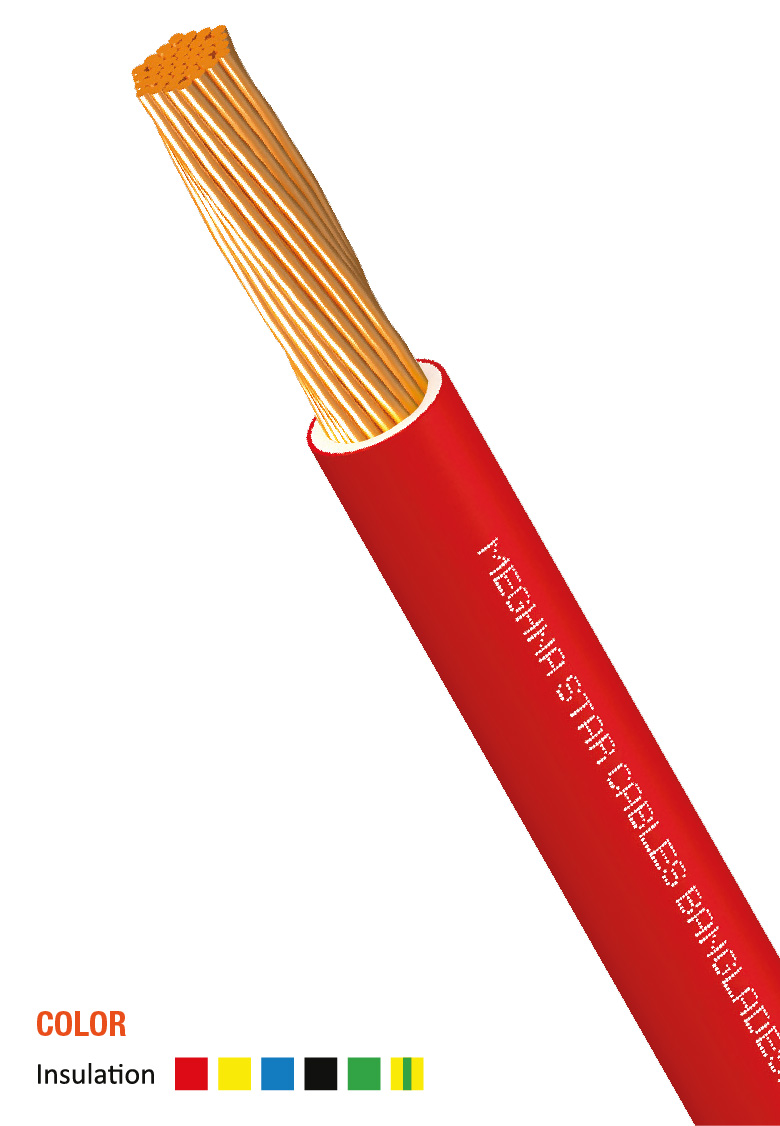
Building wire cables are electrical cables used for internal wiring in homes, offices, and buildings to safely distribute electricity to lights, switches, and appliances. They are designed with strong insulation, flexibility, and durability to ensure safe, reliable, and long-lasting power supply within indoor electrical systems.

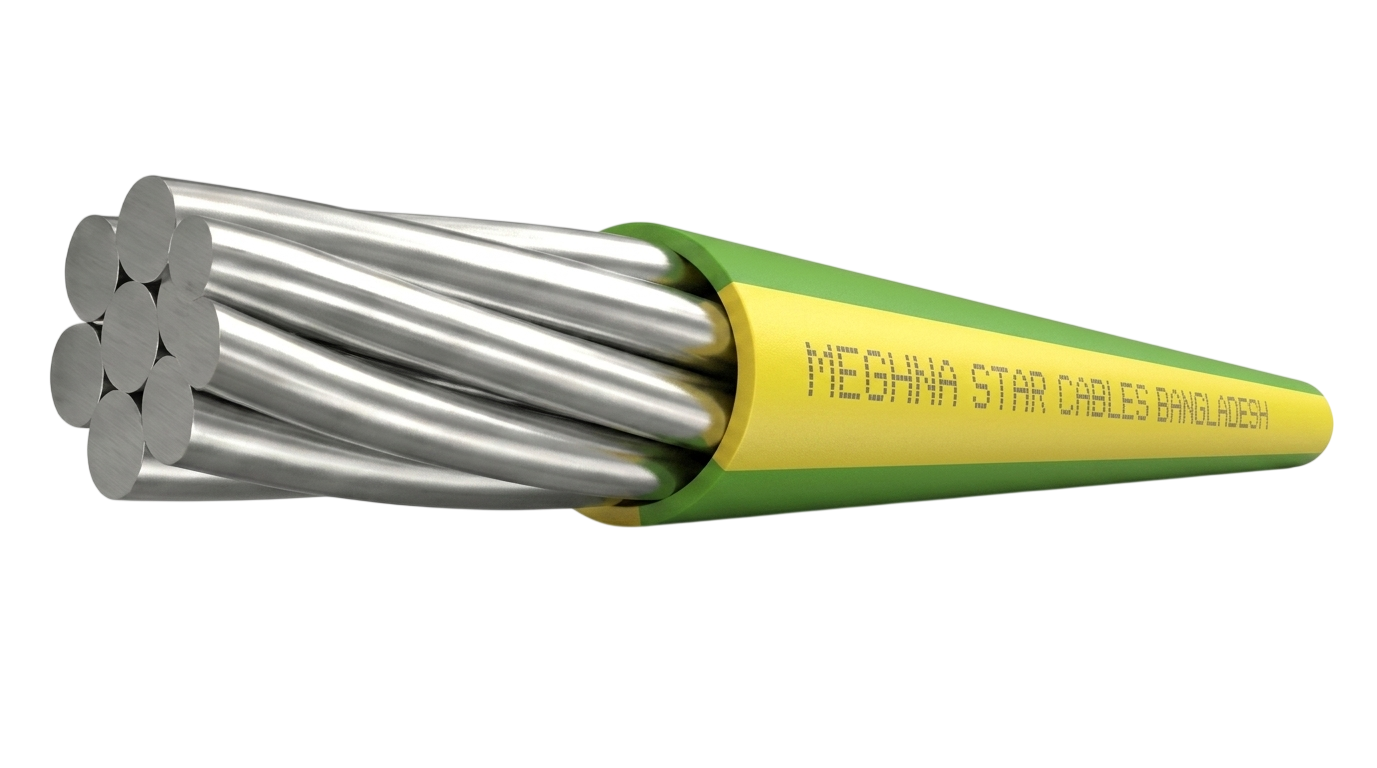
A complete solution from MEGHNA STAR CABLES

High quality Cable manufacturer

Cable manufacturer

Meghna Star Cable is a leading manufacturer in Bangladesh, known for high-quality products, reliable performance, and best-in-class service.

Large cable stock

Large cable stock

Our large cable stock is always ready to be shipped around the globe.

Quality and Certificates

Quality/Certificates

In our state-of-the-art laboratories we subject our cables to stringent product testing and quality controls.

Best-in-class-service

Best-in-class-service

A friendly and eficient sales team and our excellent logistics will satisfy your cable requirements.

BUILDING WIRE FAQS (Frequent asked questions)

Building wire cables are insulated electrical cables used for fixed wiring in buildings. They safely distribute electricity to lighting, outlets, appliances, and other electrical systems in residential, commercial, and industrial structures.

Building wire cables are typically used in residential, commercial, and industrial buildings for electrical wiring systems, including lighting circuits, power outlets, electrical panels, HVAC systems, and the connection of appliances and equipment.

Benefits of Building Wire Cables:

  • Safe and reliable electrical power distribution.

  • Durable insulation protects against electrical hazards.

  • Suitable for residential, commercial, and industrial applications.

  • Available in various sizes and types to meet different installation needs.

  • Comply with electrical safety standards and building codes.

  • Easy to install and maintain.

Building wire cables are installed by routing them through conduits, walls, ceilings, or cable trays and connecting them to electrical panels, outlets, switches, lighting fixtures, and equipment. Installation should follow local electrical codes and be performed by qualified electricians to ensure safety and reliability.

The flexibility of a building wire cable depends mainly on the conductor design and insulation material. Cables with finely stranded conductors are more flexible and easier to bend and route during installation, while solid conductors are stiffer and less flexible. The type and thickness of the insulation can also affect how easily the cable bends.

Yes, there are different types of building wire cables designed for specific applications. Common types include:

  • THHN/THWN wires – Used in conduit systems for general-purpose power distribution.

  • NM-B cables – Commonly used for residential indoor wiring.

  • UF cables – Suitable for outdoor and underground installations.

  • MC (Metal-Clad) cables – Provide extra mechanical protection in commercial and industrial environments.

  • AC (Armored) cables – Used where additional durability and protection are required.

Each type is selected based on factors such as installation environment, moisture exposure, temperature, and mechanical protection requirements.

Questions? We’ll help you find a solution.

CERTIFICATIONS

GET IN TOUCH AND LET US KNOW
The company has been incorporated under the companies Act 1994 on July 17, 2017 at Registrar of Joint Stock Companies and Firms in Bangladesh.